Liberating Futures Thinking
Futures thinking is caught in the past.
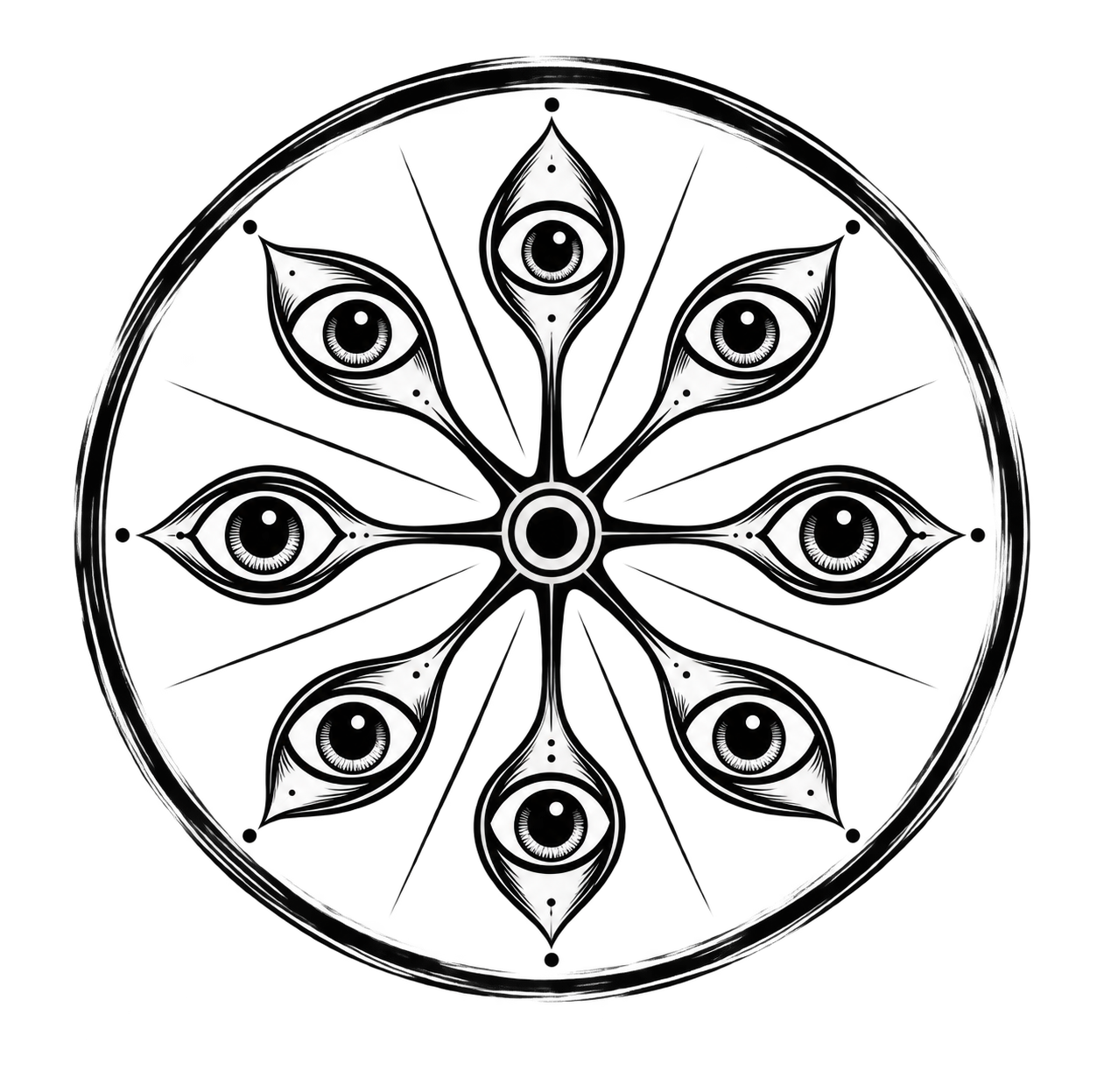
What is Liberating Futures Thinking?
Liberating Futures Thinking explores how paradigms shape the boundaries of possibility, and how expanding the ways through which we perceive can bring previously unavailable futures into view.
It is an inquiry into the paradigms through which we perceive possibility, and how those ways of seeing shape the decisions we make, the organizations we build, and the futures we are capable of bringing into being.
It begins with a simple observation.
The future is rarely limited by imagination itself. It is shaped by the paradigms through which imagination arises.
We inherit ways of seeing long before we become aware that we are seeing through them. They shape what appears possible and real, gradually taking form in our institutions, our decisions, and our visions of what comes next. In this way, the past can continue to perceive the future through us.
Liberating Futures Thinking works at this deeper layer.
It explores futures as enfolded within the present, unmanifest possibilities carried in relationships, conditions, and patterns we may not yet have learned to perceive.
The work becomes one of cultivating greater attunement and sensitivity to what is already present, yet remains beyond the horizon of our perception.
Relational Attunement (RA) is the applied methodology through which this capacity is cultivated and enacted. It helps people recognize the paradigms organizing perception and develop greater sensitivity to possibilities already taking form within complexity.
For leaders, this opens a deeper dimension of futures work. Alongside the question What should we do next? comes another:
What are we currently unable to see from where we stand?
Because the futures available to us are shaped by the ways we are able to see.
Why Now?
By 2030, 170 million new jobs will emerge and 92 million will vanish: nearly four in ten of today's skills gone with them.
And yet nearly half of senior leaders admit they don't know what their own industry will look like in just three years.
AI has made information nearly free. It hasn't made perception any clearer.
We are using yesterday's assumptions to build the future. That's not going to fly.
The world is changing faster than the paradigms through which we have learned to perceive it.
The real gap is perception.

The Premise:
Every organization sees the future from somewhere.
Liberating Futures Thinking makes that somewhere visible, expanding the horizon of what can be perceived and therefore what can become possible.
"The only true voyage of discovery would be not to visit strange lands, but to possess other eyes."
— Marcel Proust, La Prisonnière
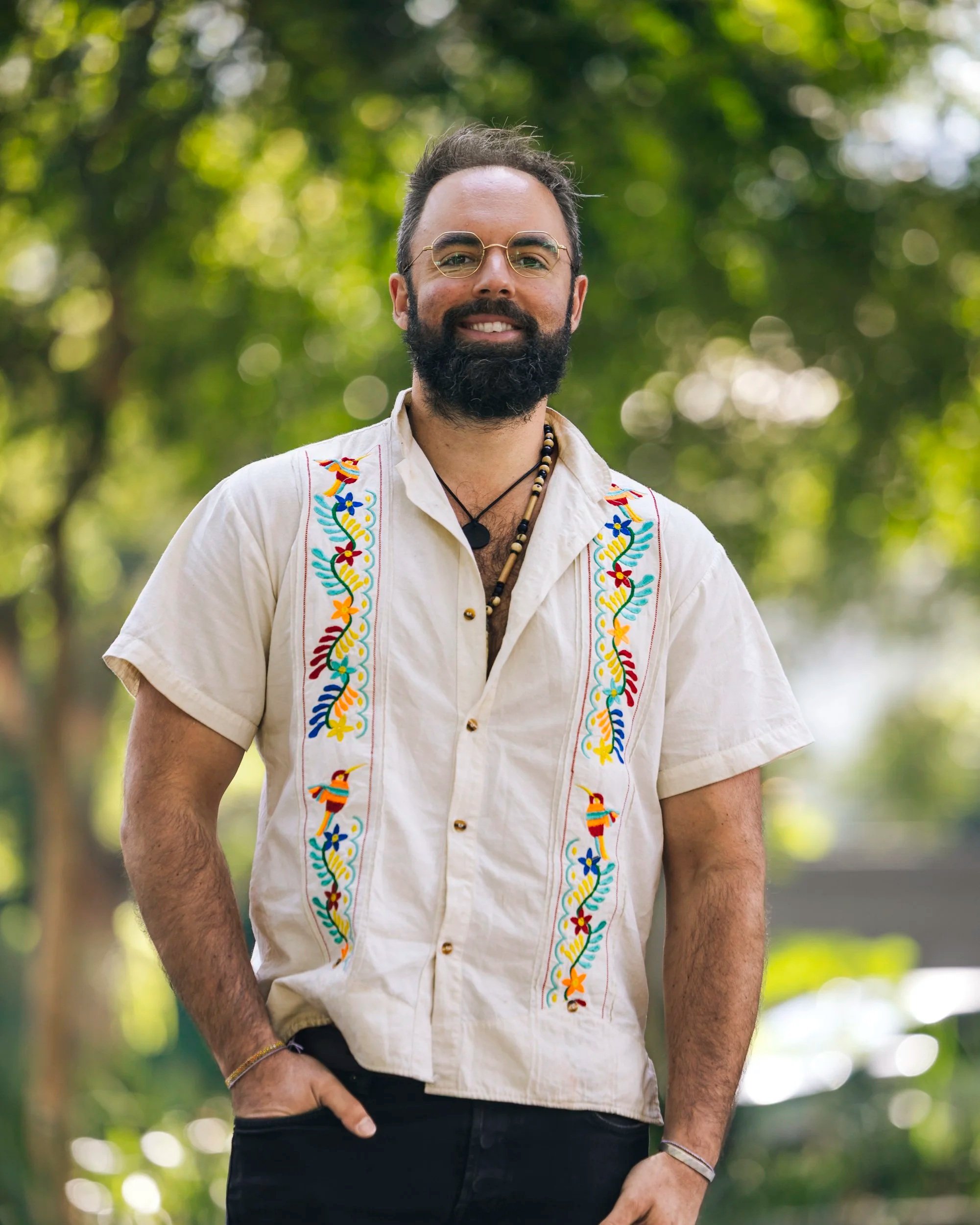
About Ryan
Ryan James Kemp, also known as Ra, has spent over fifteen years exploring one question: How do the ways we see shape the futures we're able to build?
The question took him through more than 70 countries, learning how differently people organize and imagine the future depending on the paradigm they've inherited. In 2021, it led him to found (re)Biz, the world's first systems-thinking un-school, built on a simple premise: unlearning inherited assumptions is as essential to real change as anything you could add.
Testing that question across organizations and cultures kept surfacing a single recurring insight: every strategy an organization holds reflects the paradigm through which it perceives the world. As perception expands, so does what becomes possible.
This is the foundation of Liberating Futures Thinking, and of Relational Attunement, the methodology through which it's applied, helping leaders and organizations develop the perceptual capacity for wiser decisions and long-horizon stewardship.
Today this work moves through speaking, executive advisory, education, and immersive learning.
Every future begins with a way of seeing.
Relational Attunement (RA)
The applied methodology of Liberating Futures Thinking.
Organizations naturally organize around the paradigms through which they perceive the world.
Relational Attunement is an applied methodology for cultivating greater sensitivity to the paradigms, relationships, and conditions shaping organizational life. It expands what leaders and organizations are able to perceive, allowing possibilities that were previously outside their horizon to come into view.
Through this expanded perception, organizations become more capable of sensing the systems they participate in, understanding the consequences of their decisions across longer horizons, and responding with greater coherence.
The Premise
Every strategy expresses a way of seeing.
Leadership, governance, culture, capital, and partnership all take form through the paradigms by which an organization perceives itself and the world around it. As those paradigms become visible and the horizon of perception expands, different relationships and possibilities become available.
Relational Attunement works at this deeper layer: the conditions of perception from which organizational life continually emerges.
The Practice
Founded by Ryan James Kemp, Relational Attunement translates Liberating Futures Thinking into organizational practice.
Drawing from systems thinking, living systems, ecology, indigenous wisdom, somatics, depth psychology, and organizational practice, RA cultivates an organization's capacity to perceive more deeply into the relationships and conditions shaping its present.
The practice develops sensitivity to what is already taking form within complexity, including possibilities that may remain invisible from within an organization's existing ways of seeing.
Applications
Strategic Advisory
Organizational Coherence Reviews
Leadership Development
Executive Immersions
Learning & Curriculum Design
Regenerative Organizational Practice
Indigenous Partnership & Relational Stewardship
What Becomes Possible
Leadership capable of perceiving across wider systems and longer horizons.
Greater coherence between how an organization sees, what it values, and how it acts.
Decisions informed by relationships and consequences that conventional analysis can leave outside the frame.
New possibilities become visible as the organization's perceptual horizon expands.
Organizations become more responsive to the living systems and relationships upon which their continuity depends.
The future becomes less an abstraction to prepare for and more a possibility already taking form within the relationships of the present.

“The major problems in the world are the result of the difference between how nature works and the way people think.”
— Gregory Bateson
The Shifts For a Liberated Future
From Relational Attunement's four stages of perceptual development
-
See beneath the surface. Notice what's actually happening, and the patterns and paradigm quietly shaping it. (Experience → Patterns → Paradigm)
-
Loosen the grip of the old paradigm. Sense what becomes possible once perception expands. (Attunement)
-
Redesign the relationships, authority, decisions, value, through which a new future gets built. (Participation)
-
Every redesign reveals what it newly enables, and what it may still be hiding. The work returns, and continues. (The recursive loop)
Become One of the First Relational Paradigm Architects
Paradigm Architect is a new organizational role and responsibility. We are beginning to build it now.
As organizations face forms of complexity their existing roles were never designed to hold, new capacities will need new forms of work.
Relational Paradigm Architect is a role we are developing for people who work at the level of perception itself: helping organizations recognize the paradigms shaping how they see, sense what remains outside their current horizon, and expand what becomes possible from there.
We are convening the first cohort of twenty people to learn Relational Attunement directly and help bring this role into organizational life.
These twenty people will be more than participants in a training program. They will be the first practitioners of an emerging profession.
As a founding Relational Paradigm Architect, you will:
Learn the full Relational Attunement methodology before it becomes a public program.
Apply the practice inside real organizations, contributing to the first body of casework around the role.
Help shape the responsibilities, ethics, practices, and standards through which Paradigm Architecture develops.
Become part of the founding practitioner community from which the profession grows.
Be recognized as a Founding Paradigm Architect as the formal credential and professional field take shape.
This cohort is small on purpose.
We are beginning with twenty people because the role itself will be shaped through practice.
The first Paradigm Architects won't simply train for a job. They will help discover what the job can become.
That final line is important. It makes the proposition immediately understandable.